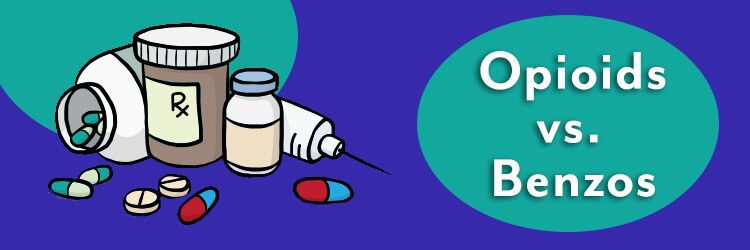
Opioids and benzodiazepines (“benzos”) are different classes of drugs that work on different systems in the brain and are prescribed for different reasons. Opioids act on opioid receptors and are mainly used to relieve pain. Benzos enhance the brain’s calming chemical, GABA, and are mainly used for anxiety, insomnia, seizures, muscle spasms, and alcohol withdrawal. Both slow the central nervous system, and both can lead to dependence and misuse. When they are taken together, the risk of slowed breathing and fatal overdose rises sharply. The sections below from TruHealing Centers explain each drug, how they compare, and why the combination is so dangerous.
What Are Benzodiazepines?
Benzodiazepines are sedatives, sometimes called tranquilizers. Familiar brand names include Valium (diazepam), Xanax (alprazolam), Klonopin (clonazepam), and Ativan (lorazepam). The DEA’s drug fact sheet on benzodiazepines classifies them as depressants and lists their medical uses, which include treating anxiety, panic, insomnia, muscle spasms, seizures, and acute alcohol withdrawal.
Benzos work by boosting the effect of GABA, a neurotransmitter that quiets nerve activity. That calming action is why they can ease a panic attack or help someone sleep. It is also why they cause drowsiness, slowed reaction time, poor coordination, and memory problems, especially at higher doses.
Benzo use has grown considerably in recent decades. According to the National Institute on Drug Abuse, the number of adults filling a benzodiazepine prescription rose by 67 percent between 1996 and 2013.
Many people begin taking benzos exactly as prescribed. Over time, the body can adapt so that the same dose feels weaker, and stopping suddenly can trigger rebound anxiety, insomnia, and more serious withdrawal symptoms. Some people take extra doses, take pills that were prescribed to someone else, or use benzos to intensify the effects of alcohol or other drugs.
What Are Opioids?
Opioids are a class of drugs used primarily for pain relief. The category includes prescription medications such as morphine, oxycodone (OxyContin), hydrocodone, and fentanyl, as well as illicit drugs like heroin and illegally made fentanyl.
All opioids bind to opioid receptors in the brain, spinal cord, and other parts of the body. These receptors exist to respond to the body’s own natural opioids, such as endorphins. When a drug activates them, it blocks pain signals and can also produce a strong sense of relaxation and euphoria. That rewarding feeling is a big part of why opioids carry a high risk of addiction.
Opioids also slow breathing. At high doses, or in people who have not built up tolerance, breathing can become so shallow that oxygen levels drop to dangerous levels. Respiratory depression is the main cause of death in opioid overdose.
Over time, regular opioid use leads to tolerance and physical dependence. When someone who is dependent stops, they may experience withdrawal symptoms such as muscle aches, sweating, nausea, diarrhea, restlessness, and intense cravings. Withdrawal is often the point where people return to use, which is why supervised care matters.
Opioids vs. Benzos: Side by Side
Although both are central nervous system depressants, the two drug classes differ in several important ways.
Primary medical use. Opioids are prescribed for pain. Benzos are prescribed for anxiety, sleep problems, seizures, muscle spasms, and alcohol withdrawal.
How they work in the brain. Opioids activate opioid receptors. Benzos increase the activity of GABA, the brain’s main calming chemical.
Common effects. Opioids relieve pain and can cause euphoria, constipation, pinpoint pupils, and heavy drowsiness. Benzos reduce anxiety and can cause sedation, confusion, slurred speech, unsteadiness, and memory gaps.
Examples. Opioids include morphine, oxycodone, hydrocodone, fentanyl, and heroin. Benzos include Xanax, Valium, Klonopin, and Ativan.
Withdrawal. Opioid withdrawal is extremely uncomfortable and drives relapse, though it is rarely life threatening on its own in otherwise healthy adults. Benzo withdrawal after long-term or heavy use can be medically dangerous and may include seizures, so stopping should be done gradually under medical supervision rather than all at once.
Shared risks. Both can cause tolerance, physical dependence, and addiction, and both slow breathing.
Why Mixing Opioids and Benzos Is So Dangerous
The greatest danger comes when the two are used together. Each drug slows breathing in a different way, and the effects stack. A dose of either drug that might be tolerable alone can become life threatening in combination.
The National Institute on Drug Abuse reports that more than 30 percent of overdoses involving opioids also involve benzodiazepines. NIDA also notes that the number of people receiving prescriptions for both drugs at the same time increased between 2001 and 2013, and that a study in North Carolina found the overdose death rate among patients receiving both drugs was ten times higher than among patients receiving opioids alone.
Public health agencies have repeated this warning for years. A South Carolina prescriber and patient resource is titled plainly: Opioids and Benzodiazepines Just Don’t Mix. Researchers continue to study the problem as well. UC Davis Health received a CDC grant to study the risks of combined opioid and benzodiazepine use.
The risk is not limited to overdose. The CDC’s National Institute for Occupational Safety and Health points out that workers using prescription opioids and/or benzodiazepines can face impairment that affects safety on the job, such as drowsiness and slowed reaction time. Driving, operating machinery, or caring for children while using either drug, and especially both, can put others at risk too.
The combination can happen in ways people do not expect. Someone may receive an opioid after surgery while already taking a benzo for anxiety. Someone else may take a friend’s Xanax to calm down while using pain pills. Illicit pills sold as one drug may contain another. Alcohol adds a third depressant to the mix and raises the danger further.
Signs Someone May Be Misusing Opioids or Benzos
Families are often the first to notice that something has changed. Warning signs can include:
- Taking more than prescribed, or running out of a prescription early
- Seeing multiple doctors or asking others for pills
- Unusual drowsiness, nodding off, slurred speech, or confusion
- Memory gaps or trouble following conversations
- Pulling away from family, work, or activities they used to enjoy
- Mood swings, irritability, or anxiety between doses
- Hiding pill bottles or becoming defensive when asked about medication
- Withdrawal symptoms when they go without
Signs of a possible overdose, especially when both drugs may be involved, include very slow or stopped breathing, blue or gray lips, pinpoint pupils, limpness, and an inability to wake the person. This is a medical emergency, and 911 should be called right away.
Why Stopping Safely Matters
Because benzo withdrawal can cause seizures and opioid withdrawal so often leads back to use, quitting abruptly at home is risky. This is even more true for someone dependent on both. A medically supervised detox allows clinicians to monitor symptoms, manage discomfort, and adjust a taper so the body can adjust more safely.
Detox is only the beginning. Dependence on opioids or benzos is frequently tied to chronic pain, anxiety, trauma, depression, or sleep problems that existed before the drug use started. Lasting recovery means addressing those underlying issues and building new ways to cope.
Treatment for Opioid and Benzo Use at TruHealing Centers
TruHealing Centers is a network of Joint Commission accredited treatment facilities offering care from medical detox through aftercare, so individuals and families can work with one partner across each stage of recovery. In Owings Mills, Maryland, and other locations, that continuum includes:
- Drug and alcohol detox for medically supervised withdrawal
- Residential treatment programs for structured, around-the-clock support
- Partial hospitalization (PHP) and intensive outpatient programs (IOP) that step down in intensity as stability grows
- Opioid, opiate, painkiller, and prescription drug treatment programs focused on the specific substances involved
- Suboxone treatment and medication-assisted treatment (MAT) for opioid use disorder
- Dual diagnosis, anxiety and addiction, and depression treatment for the mental health conditions that often drive benzo and opioid use
- Cognitive-behavioral therapy, dialectical behavior therapy, trauma therapy, holistic therapy, and family therapy
- Aftercare planning and sober living support to help protect progress after formal treatment
For people who started taking benzos because of anxiety, treating the anxiety directly is an essential part of care at TruHealing Centers. For people whose opioid use began with pain, therapy and medical support can help them find safer ways to manage it. TruHealing accepts several insurance plans, including Ambetter, Beacon Health Options, Blue Cross Blue Shield, GEHA, Health Net, Molina, and Oscar Health, as well as private pay.
Opioids and benzos are different drugs, but both can take hold of a life, and together they can end one. Understanding the difference is a useful first step. Reaching out for professional, evidence-based care is the next one, whether the help is for you or for someone you love.