
You may be holding onto a number right now: three days. It might be the gap on a work calendar, a promise that Monday is day one, or a figure you saw online. Maybe you are the one who needs help, or maybe you are searching late at night for a husband, a wife, a son, a daughter, or a parent who cannot do this alone. Either way, you have a choice to make. You can plan around that number, or you can plan around what the body and the TruHealing Centers care team may actually need.
This guide explains what medical detox involves, how long withdrawal often lasts for different substances, and what happens next at TruHealing Centers in Owings Mills, MD. It also covers how to have your insurance verified before admission. By the end, you will know what to ask on the first call and what to expect after the first 72 hours.
Behind the number there is usually a quieter worry. You may fear that the shaking, sweating, or panic will not be over by Wednesday, and that nobody has a plan for what comes after. That fear makes sense, and it deserves a straight answer.
Is 3 days enough for detox? The short answer
For many people, 3 days is not enough. How long detox takes depends on the substance, how much and how long it was used, physical health, and any mental health conditions. At TruHealing Centers, the care team sets the length of stay based on an assessment and ongoing monitoring, not a fixed number of days.
The first three days are often the hardest part of withdrawal, but they are usually the start of the process, not the end. With alcohol and short-acting opioids, symptoms often build over the first day or two and peak around day two or three. If you plan to leave on day three, you may be leaving at the moment withdrawal is strongest. That is often when the pull to use again is greatest, and when stepping away from support may carry more risk.
Two people can use the same substance and have very different withdrawals. A person who has used heavily for years, has a seizure history or heart condition, or also lives with anxiety or depression may need more time and closer watching than a person with a shorter history. Using more than one substance can stretch the timeline further. This is why an honest program will not promise you an exact number of days or a set level of comfort before it has assessed you.
So if you are asking, “Is 3 days enough for detox?” because of a work schedule or a family commitment, say so on the first call. The TruHealing Centers admissions team can talk through what a stay might look like for your situation. That way, you can plan time off around a possible range instead of a guess.
What is medical detox, and what makes it medical?
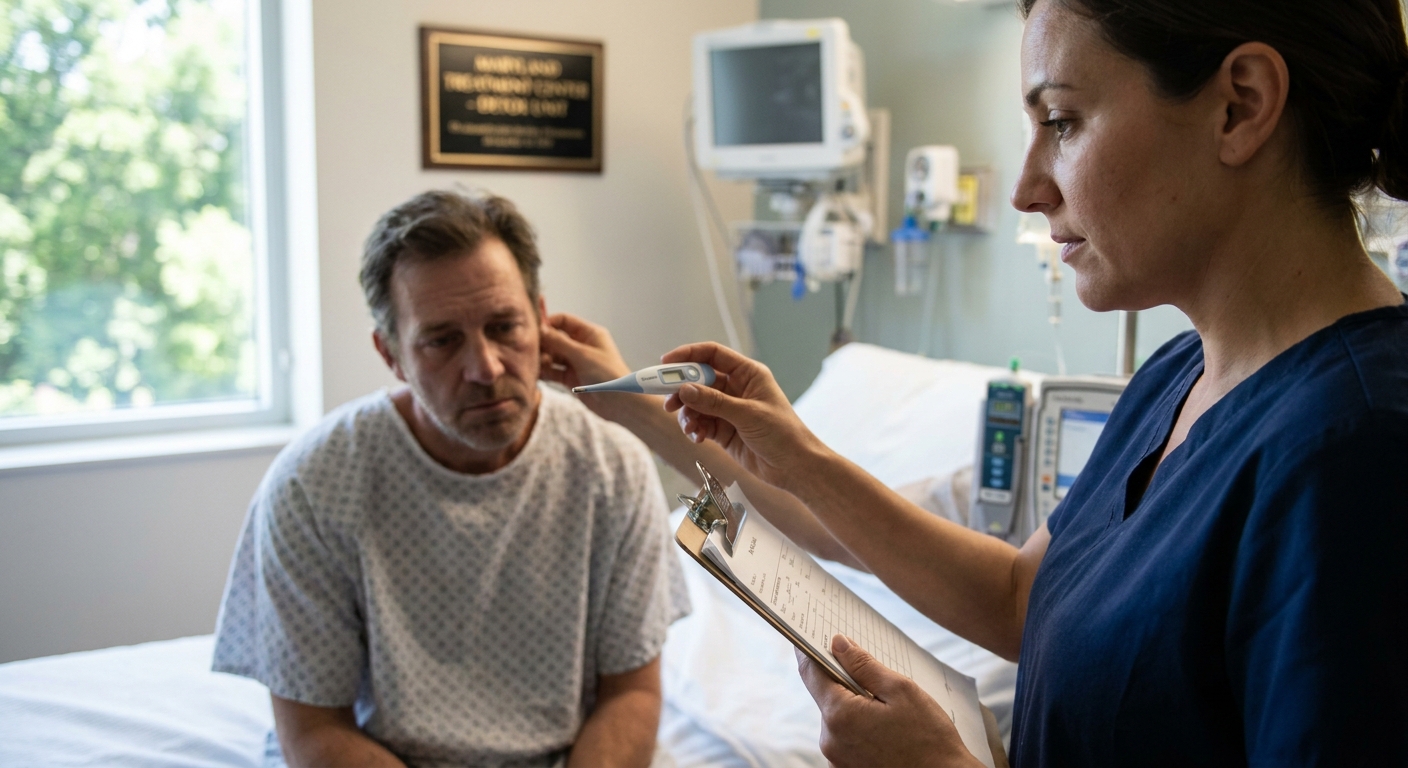
Medical detox is supervised withdrawal care for a person who has become physically dependent on alcohol or drugs. It is “medical” because the care team monitors symptoms and gives medication as needed, so withdrawal is managed as it happens instead of endured alone.
If you search “how to detox your body,” you will find juice fasts, teas, supplements, and cleanses. Those have nothing to do with addiction treatment. The National Center for Complementary and Integrative Health reports that there is no compelling research showing detox or cleansing programs remove toxins from the body. NIH News in Health points out that your body already has organs that do this work, including the liver and kidneys. A cleanse is not designed to manage alcohol withdrawal, and a supplement is not a substitute for medical care during withdrawal.
Medical detox addresses a different problem. When the brain and body have adapted to a substance, removing it suddenly can throw many systems off balance. That can show up as tremors, a racing heart, sweating, vomiting, insomnia, intense anxiety, and in some cases dangerous complications. In a medical detox program, the team tracks those changes, treats symptoms with medication when needed, and adjusts the plan as the days go on. The goal is to support a person through withdrawal as safely as possible and help them be stable enough to begin the work of recovery.
One warning matters more than anything else in this section. If you or someone you love drinks heavily every day or takes benzodiazepines regularly, do not stop suddenly without first talking to a doctor or a medical detox program. Do not try to taper at home or follow an online schedule. Withdrawal from these substances can become dangerous quickly, and a safe plan depends on an assessment of the actual person.
How long does medical detox take by substance?
Acute withdrawal from alcohol or short-acting opioids often lasts about a week. Longer-acting opioids usually take longer. Benzodiazepine withdrawal is often the longest and may need a gradual, medically supervised taper that stretches over weeks. These are typical patterns, not promises.
Here is how withdrawal commonly unfolds for the substances that most often bring people to medical detox:
| Substance | When symptoms often begin | When symptoms often peak | How long acute withdrawal often lasts |
|---|---|---|---|
| Alcohol | 6 to 24 hours after the last drink | About 24 to 72 hours | About 5 to 7 days, with some symptoms lasting longer |
| Short-acting opioids (such as heroin and many prescription pain pills) | 8 to 24 hours after last use | About days 2 to 3 | About 4 to 10 days |
| Longer-acting opioids (such as methadone) | 1 to 3 days after last use | About days 3 to 5 or later | About 10 days to several weeks |
| Benzodiazepines | 1 to 2 days for short-acting types, up to a week for long-acting types | Varies widely by medication and dose | Often weeks, usually managed with a gradual supervised taper |
Many things can push a timeline in either direction. The specific drug matters, as do the dose, how long it was used, and how recently. Age, liver health, sleep, nutrition, past withdrawals, and other medications all play a part. Fentanyl and other street opioids are often mixed with unknown substances, which can make withdrawal harder to predict. When more than one substance is involved, the care team may need to manage several withdrawal patterns at once.
The table only covers the acute phase. Many people find that sleep problems, low mood, irritability, and cravings linger for weeks after the physical symptoms ease. That stretch is one more reason the end of detox is a handoff point, not a finish line. The TruHealing Centers team plans the next step while a person is still in detox, so they do not leave detox without a plan for the cravings that may follow.
Which substances need medically managed withdrawal?
Alcohol, opioids, and benzodiazepines are the substances that most often call for medically managed withdrawal. At TruHealing Centers in Owings Mills, an assessment helps decide whether the detox program may be the right fit for you or your loved one.
- Alcohol: Withdrawal can cause seizures and a severe state of confusion and agitation that can be life-threatening. It can worsen without much warning, so ongoing monitoring matters.
- Opioids: Withdrawal is rarely life-threatening on its own, but it can be intensely painful and exhausting, and the urge to use again to stop the sickness can be very strong. Medication may ease symptoms and support the next stage of care.
- Benzodiazepines: Stopping suddenly can cause seizures and severe rebound anxiety. Safe withdrawal usually means a slow, supervised reduction rather than a hard stop.
Other substances bring their own kind of crash. Stopping cocaine or meth usually does not carry the same physical dangers as alcohol or benzodiazepine withdrawal. Still, it can bring deep exhaustion, depression, and strong cravings that are hard to face alone. TruHealing Centers offers dedicated cocaine and meth treatment programs, and the assessment helps decide whether a person starts in detox or moves into another level of care.
Mixed use deserves its own mention. Many people use alcohol alongside pills, or opioids alongside benzodiazepines, and that combination raises the stakes during withdrawal. Be as honest as you can on the first call about everything being used, including prescriptions. That honesty is not a confession. It is the information the team needs to build a safe plan.
What happens during medical detox, from assessment to the first days?
Medical detox follows a clear sequence: an assessment, close monitoring, medication as needed, stabilization, and then a plan for the next level of care. At TruHealing Centers in Owings Mills, each step is meant to support the person’s safety now and prepare them for what follows.
- Assessment. The process starts with questions about which substances are being used, how much, how often, and when the last use was. The team also asks about physical health, current medications, past withdrawals, and mental health concerns such as anxiety or depression. This picture shapes everything that follows.
- Monitoring. After admission, the TruHealing Centers care team watches withdrawal symptoms and vital signs and tracks how the person is feeling. Monitoring helps the team notice problems early and see whether the plan needs to change.
- Medication as needed. Depending on the substance and symptoms, medication may be used to ease withdrawal, lower the risk of complications, or help with rest. Doses are adjusted as the days go on rather than set once and left alone.
- Stabilization. As acute symptoms settle, the focus moves toward eating, sleeping, and thinking more clearly. This is often when people first feel able to talk about what comes next.
- Transition planning. Before detox ends, the team works with the person on the next step, whether that is residential care, PHP, IOP, MAT, sober living, or another part of the TruHealing continuum. Planning starts early to help avoid a gap between leaving detox and starting treatment.
If you are the family member waiting at home, this sequence may bring some relief. Your loved one is entering a process with a beginning, a middle, and a planned handoff. If you have questions about updates and family contact, ask the TruHealing Centers admissions team, because the answer depends on your loved one’s consent and privacy rights.
Why is medical detox considered safer than quitting cold turkey?
Medical detox is generally considered safer than quitting cold turkey because withdrawal from alcohol and benzodiazepines can cause seizures and other serious complications. Even opioid withdrawal, which is rarely deadly on its own, is so uncomfortable that many people return to use before it ends. Supervision adds monitoring, medication when needed, and a plan.
When a person stops drinking heavily on their own, nobody is watching for the early signs that withdrawal is turning severe. Shaking and sweating can give way to hallucinations, confusion, or a seizure, sometimes days after the last drink, when everyone assumed the worst was over. Benzodiazepine withdrawal can follow a similar pattern. Because many of these medications leave the body slowly, danger can show up later than people expect. If someone in withdrawal has a seizure, becomes very confused, or cannot stay awake, call 911 right away.
Opioid withdrawal carries a different risk. The sickness, aches, vomiting, and sleeplessness can feel unbearable, and stopping them takes only one dose. There is also a serious danger after withdrawal ends: tolerance drops quickly, so a person who goes back to their old amount can overdose.
Medical detox cannot remove every risk. It is designed to place a person where symptoms are treated, cravings are taken seriously, and the next step is already being arranged. You may be thinking that you or your loved one has white-knuckled through this before. Medical detox with a planned handoff into further care is a different setting from a prior attempt made alone.
What comes after day 3? Detox as the first step
Once withdrawal is stable, detox hands off to the next level of care. At TruHealing Centers, that can mean residential treatment, a partial hospitalization program (PHP), an intensive outpatient program (IOP), medication-assisted treatment (MAT), or sober living, depending on what the assessment shows.
Detox addresses the physical side of withdrawal. It does not change the thoughts, habits, stress, trauma, or relationships that may have contributed to the substance use, and that deeper work is what ongoing recovery is built on. TruHealing Centers offers care across the continuum, so the team that supports a person through withdrawal can also help them step into the next program. That might be residential care for structure around the clock, PHP for a full day of programming, or IOP for someone ready for more independence. MAT supports some people with opioid or alcohol use disorders, and sober living offers a stable place to stay while practicing daily life in recovery.
If you have watched a loved one relapse before, you may be afraid this will be one more round that ends right where the last one did. That fear is fair. What may change the picture is what surrounds detox. TruHealing Centers provides evidence-based care that includes cognitive behavioral therapy (CBT), dialectical behavior therapy (DBT), trauma therapy, and dual diagnosis treatment for people facing anxiety or depression alongside a substance use disorder. Aftercare planning is intended to help each person leave one level of care with a plan for the next, so the first three days are not the only days of support.
How do I start detox in Owings Mills, and who is admitted?
Starting detox begins with one call to the TruHealing Centers admissions team. On that call, the team learns about the situation, starts verifying insurance, and talks through whether the Owings Mills program may be the right fit. Admission is decided through an assessment, not a one-size rule.
- Make the first call. Expect questions about which substances are involved, how much and how recently, physical and mental health, and current medications. You can call for yourself or on behalf of someone you love.
- Share insurance information. Keep the insurance card nearby so the team can begin checking benefits. If there is no insurance, tell the team so they can talk through what to do next.
- Complete the assessment. The team uses what you share to decide whether the Owings Mills detox program can safely meet the person’s needs. If it is not the right fit, ask what they recommend instead.
- Ask about timing. Admission timing depends on the situation and availability, so ask the TruHealing Centers admissions team directly when arrival is possible.
- Ask for the current packing list. The admissions team can tell you what to bring and what to leave at home. Have a list of current medications and doses, photo ID, and insurance information ready.
- Arrive for admission. The TruHealing Centers admissions team will confirm where and when to arrive in Owings Mills, MD.
While you wait, keep safety first. Do not stop heavy drinking or regular benzodiazepine use suddenly without medical advice, and call 911 for any emergency.
You may also be worried that your loved one will say no. That worry is common, especially when someone is ambivalent or has been through treatment before. Detox for adults is generally voluntary, so it can help to ask the TruHealing Centers admissions team how to talk with your loved one in a calm, low-pressure way and what to do if they are not ready yet.
It is also reasonable to wonder whether a program is legitimate or simply trying to fill a bed. A good first call should feel focused on the person, with careful questions about health and history rather than pressure to commit. Ask anything you need to ask, including how the assessment works, what a typical day in detox looks like, and how the handoff to the next level of care is arranged.
How do I pay for medical detox?
Many families use health insurance to help cover medical detox. The simplest first step is to ask the TruHealing Centers admissions team to verify benefits on the first call, so you know where you stand before admission.
Coverage depends on the plan and on the TruHealing Centers location where care takes place. A TruHealing Centers location is in-network with Aetna, Blue Cross Blue Shield, Cigna, UnitedHealthcare, and TRICARE. A TruHealing Centers location also accepts plans such as GEHA, UMR, and Molina. Whether a specific plan applies to detox in Owings Mills depends on the details of the policy, which is why verification matters more than any general list. If you are worried about surprise bills, ask the team to explain what the benefits show, what you may owe, and what questions to bring to your insurer.
Federal law also offers some protection. The Mental Health Parity and Addiction Equity Act, as explained by CMS, generally requires health plans that cover substance use disorder care to apply limits that are no more restrictive than those for medical and surgical care. That does not guarantee any particular service is paid for. It does mean you have the right to ask clear questions and expect fair rules.
Quick answers before you make the call
These short answers cover the questions people ask most often before they pick up the phone. Each one comes back to the same idea: the care team builds the plan from an assessment of the individual person.
Is 3 days enough for detox? For many people, it is not. Withdrawal timelines vary by substance and person, and day three is often near the peak for alcohol and short-acting opioids. The TruHealing Centers care team sets the length of stay based on assessment and monitoring.
Can I detox at home in 72 hours? Stopping alcohol or benzodiazepines suddenly can be dangerous, even life-threatening. Talk with a doctor or a medical detox program before stopping, and do not follow a home taper plan from the internet.
Does medical detox flush toxins from your body? No. Medical detox is supervised withdrawal care for physical dependence. It is not a cleanse, a juice fast, or a supplement plan.
What happens after medical detox ends? At TruHealing Centers, detox leads into the next level of care, which can include residential treatment, PHP, IOP, MAT, sober living, and aftercare planning.
What should I bring to detox? Ask the TruHealing Centers admissions team for the current list on your first call. Have the medication list, photo ID, and insurance information ready.
Does insurance cover medical detox? Coverage varies by plan and location. The TruHealing Centers admissions team can verify benefits before admission.
Call the TruHealing Centers Owings Mills admissions team today to talk through your situation, ask for an assessment, and have your insurance verified, so you know your next step before the three days are up. Keep one thing in mind as you dial: day three is often where withdrawal peaks, not where it ends, so it may help to have a plan for day four and beyond.
Three Days Is a Start, Not the Whole Story
If you have been wondering whether a few days is enough to get through detox, it makes sense to want a clear answer before you take the next step. The truth is that every person’s timeline looks different, and a team that can assess your situation will help you understand what to expect. TruHealing Centers in Owings Mills, MD offers medical detox, and you can reach out today to talk through where you are and what comes next.
Withdrawal timelines and treatment needs differ from person to person, and this article is general information, not medical advice. If you or someone you love is in immediate danger, call 911.