A detox center and a recovery center are not the same thing. They often sit in the same building. They treat people at different stages of early recovery. With fentanyl, that difference matters more than ever. Detox gets the drug out of the body safely. Recovery treatment builds the life that keeps it out. At TruHealing Centers in Owings Mills, both happen under one roof, with one team that already knows you.
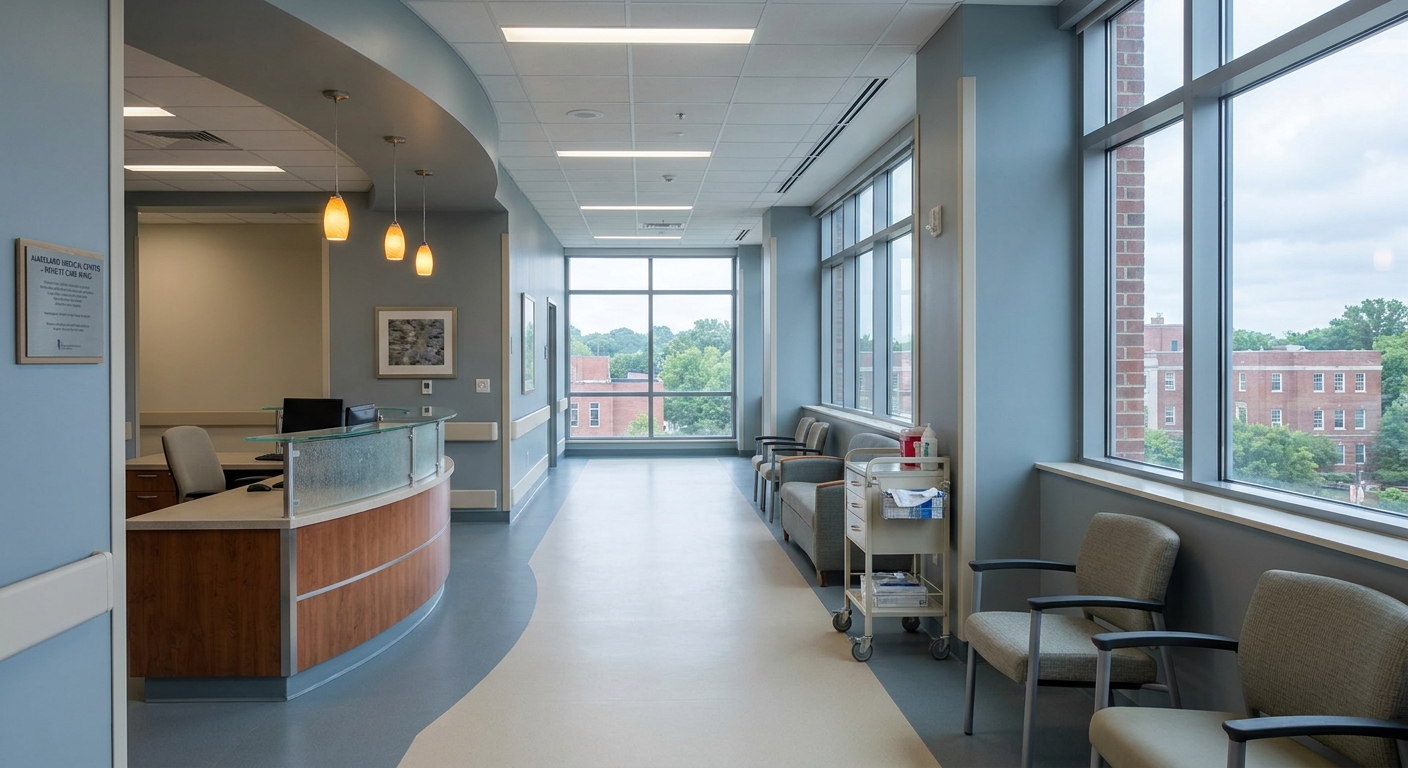
Our Maryland center sits at 10461 Mill Run Circle, Owings Mills, MD 21117. It serves people from Baltimore County and across the state who need medical support to stop using fentanyl and a clear path forward once they do.
Safe, Supervised Withdrawal That Leads Straight Into Real Recovery
Fentanyl detox at TruHealing Centers is medical withdrawal management. A person stops using fentanyl while nurses watch over them around the clock. The care team treats symptoms as they appear, keeps the body stable, and plans the next stage of treatment before detox ends.
This care is built for adults whose fentanyl use has turned into dependence. Some started with a prescription painkiller. Many never meant to take fentanyl at all. It turned up in pills or powder sold as something else. Some have tried to quit at home and could not get past the first two days. Others are family members reading this for a son, daughter, partner, or parent who is running out of time. Whoever you are, the page is for you.
Fentanyl detox is harder than detox from many other opioids. Fentanyl is a synthetic opioid and far more potent than heroin or morphine. Street supply is unpredictable. A person may not know how much they took, or what else was mixed in. Those unknowns change how withdrawal unfolds. They also change how medication has to be timed. That is why our team starts with a careful assessment and adjusts the plan to the person, not a template. Someone who used prescription fentanyl under a doctor’s care may follow a different course than someone using street fentanyl several times a day.
Withdrawal itself is rarely the end of the danger. After detox, tolerance drops fast. A dose a person once survived can now stop their breathing. The CDC urges families and caregivers to understand overdose risk and keep naloxone close. This is the strongest reason to detox inside a system that continues care afterward. Leaving detox without support is not typically recommended. With fentanyl, it can be deadly.
What happens during fentanyl medical detox
Each person’s stay is shaped to their health, history, and goals. Most stays follow this path:
- Assessment. A clinician reviews substance use, physical health, mental health, and any past withdrawal. This shapes the medication plan and level of monitoring.
- Stabilization. Nurses track vital signs and symptoms day and night. The goal is to keep the body steady while fentanyl leaves the system.
- Medication management. The medical team uses approved medications to ease cravings and withdrawal symptoms. Doses change as symptoms change.
- Emotional and mental health support. Anxiety and depression often surface during withdrawal. Our team treats co-occurring conditions alongside the physical process, so nothing gets left for later.
- Transition to treatment. Before detox ends, the team builds a plan for the next level of care. That may be residential treatment, PHP, or IOP inside TruHealing Centers.
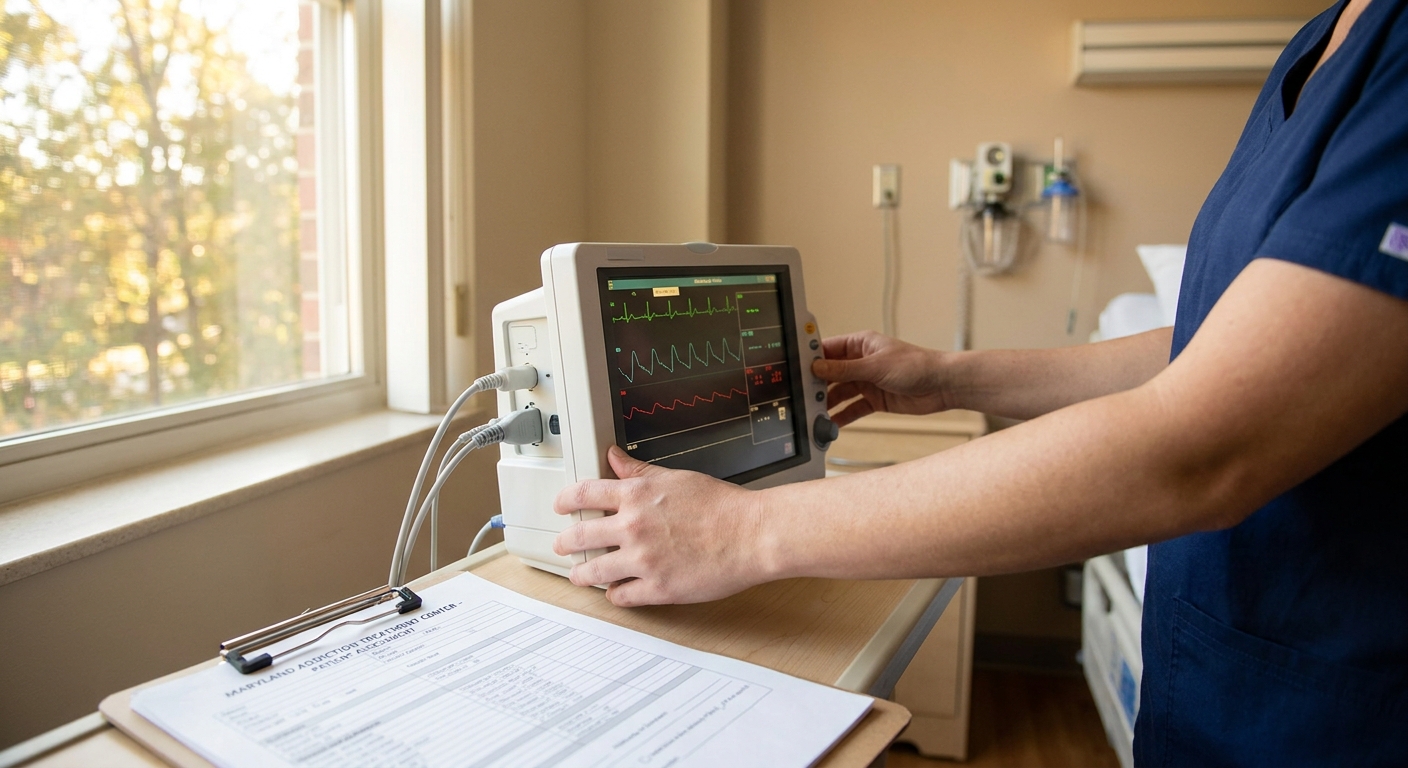
Nurses are available 24/7 throughout detox. That constant presence is the difference between medical detox and white-knuckling withdrawal alone. If symptoms spike at 3 a.m., someone is there. If a person’s mood drops, someone notices.
Common fentanyl withdrawal symptoms
Withdrawal feels different for each person. Common symptoms include:
- Intense cravings for fentanyl
- Anxiety, restlessness, and irritability
- Muscle aches, bone pain, and cramping
- Sweating, chills, and goosebumps
- Runny nose and watery eyes
- Nausea, vomiting, and diarrhea
- Yawning and trouble sleeping
- Rapid heartbeat and raised blood pressure
- Low mood and trouble concentrating
Fluid loss from vomiting and diarrhea can become a real medical problem. So can the despair that pushes people back toward using. Medical care addresses both.
What is the fentanyl withdrawal timeline?
Timing varies with how much fentanyl a person used, how often, and how long. A general pattern looks like this:
- 6 to 12 hours after last use. Early symptoms begin. Anxiety, yawning, sweating, a runny nose, and cravings show up first.
- Days 1 to 3. Symptoms build to their peak. Body aches, stomach upset, chills, and sleeplessness are often worst here. This is when most people relapse without help.
- Days 4 to 7. Physical symptoms usually start to ease. Fatigue, low mood, and cravings often stay.
- Weeks to months afterward. Some people experience post-acute withdrawal symptoms, often called PAWS. These can include anxiety, poor sleep, low energy, and waves of craving. Ongoing treatment helps people manage them.
Because fentanyl is often mixed with other substances, symptoms can start sooner, last longer, or look different. Medical monitoring catches these changes early.
What is used for fentanyl withdrawal? TruHealing Centers offers medication-assisted treatment, including a Suboxone treatment program. Medications commonly used in opioid withdrawal management include:
- Buprenorphine, including Suboxone. It eases cravings and withdrawal symptoms. With fentanyl, the timing of the first dose matters, which is one reason a medical team should guide it.
- Methadone. A long-standing opioid treatment medication described in the ASAM national practice guideline on medications for opioid use disorder.
- Comfort medications. Medicines that target specific symptoms such as nausea, diarrhea, muscle aches, anxiety, and sleeplessness.
The right mix depends on the person. Your care team explains each choice and why it fits.
How Long Is Fentanyl Detox?
Most people complete the medical detox phase in about a week, though some need longer. The exact length depends on the person’s use history, physical health, and how their body responds to withdrawal.
Detox is not measured only in days. A person stays until they are medically stable and ready to move into the next stage of care. Rushing that point raises the risk of relapse and overdose. Detox alone also rarely holds. According to the National Institute on Drug Abuse, medically assisted withdrawal is only the first stage of treatment and is not enough by itself to sustain recovery.
That is where TruHealing Centers’ full continuum makes the difference. A person can move from detox into residential treatment, then into PHP, IOP, and aftercare planning, without starting over with strangers. Therapy deepens in each stage. Clients learn coping skills through cognitive-behavioral therapy and dialectical behavior therapy. Trauma therapy and holistic therapy help address the reasons substances took hold. Clients support one another. Many of our staff are in recovery themselves. They know what the first week feels like, and they know what comes after.
Families have a place in this too. Addiction affects everyone in the home. Our family therapy program helps loved ones understand what is happening, rebuild trust, and prepare for life after treatment. For the parent or partner who made the first call, that matters.
Cost should not be the thing that stops someone. TruHealing Centers accepts Ambetter, Beacon Health Options, Blue Cross Blue Shield, GEHA, Health Net, Molina, and Oscar Health, along with private pay. Coverage for fentanyl detox depends on each plan’s benefits, deductibles, and medical necessity rules. Our admissions team can verify your insurance and explain what your plan is likely to cover before admission, so you know where you stand. If your carrier is not on that list, the team can still talk through options with you.
Choosing a detox center is choosing who will be with you on the hardest days. TruHealing Centers offers high-quality treatment for addiction and mental health disorders in facilities across the country. In Owings Mills, that means local, medically supervised fentanyl detox connected to every stage of care that follows. You do not have to plan the whole road today. You only have to take the first step safely, and you will not take it alone.